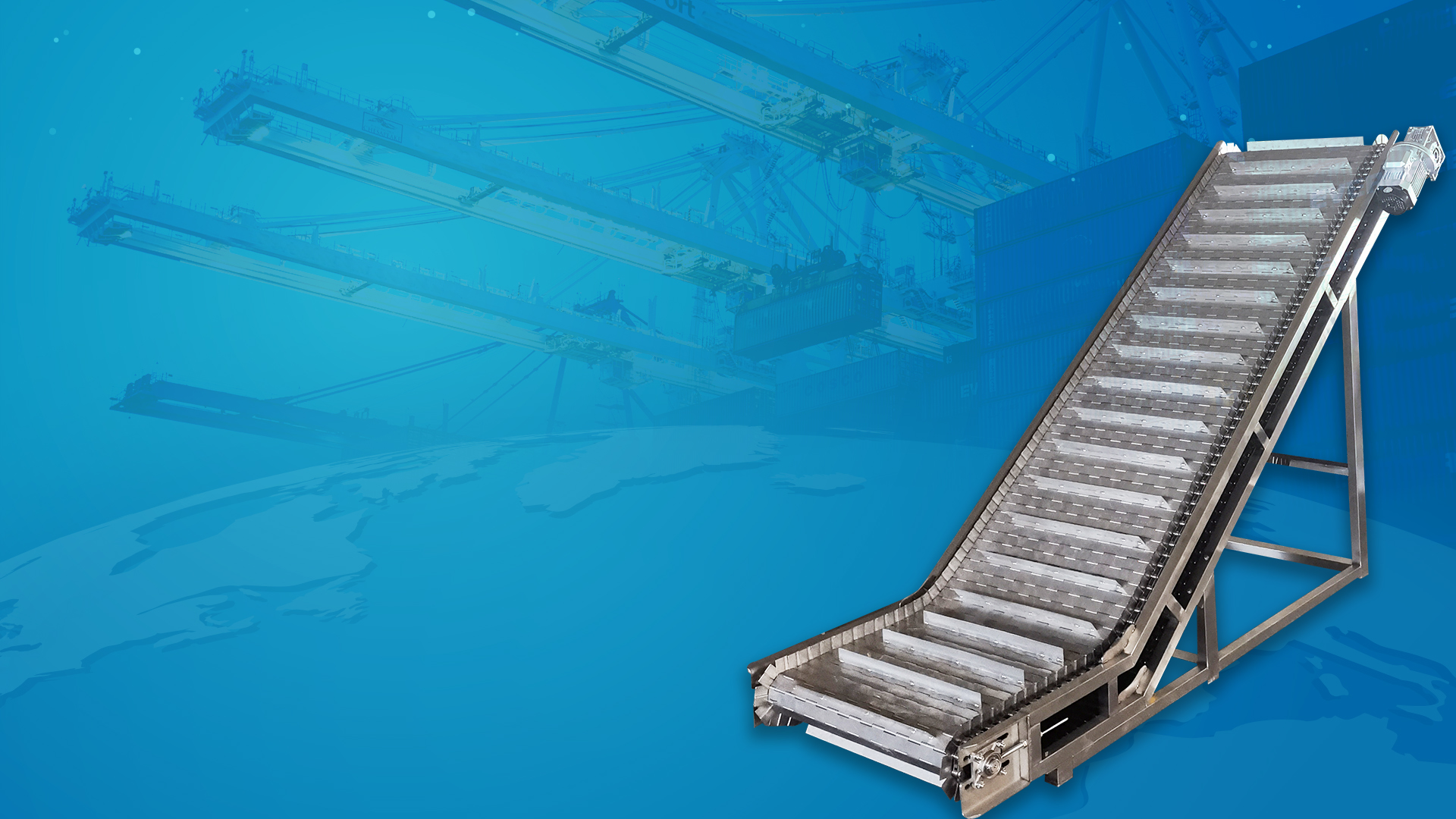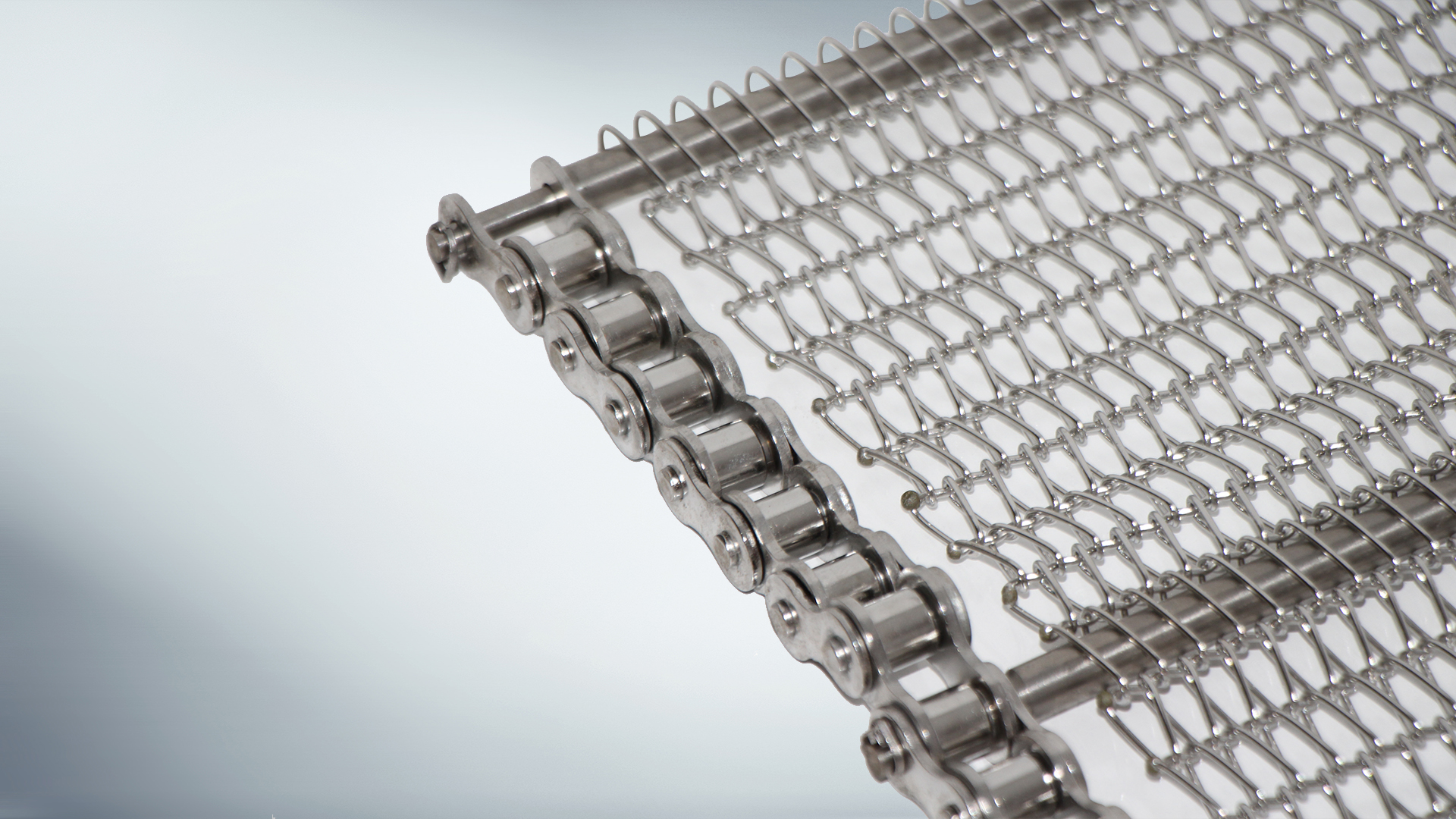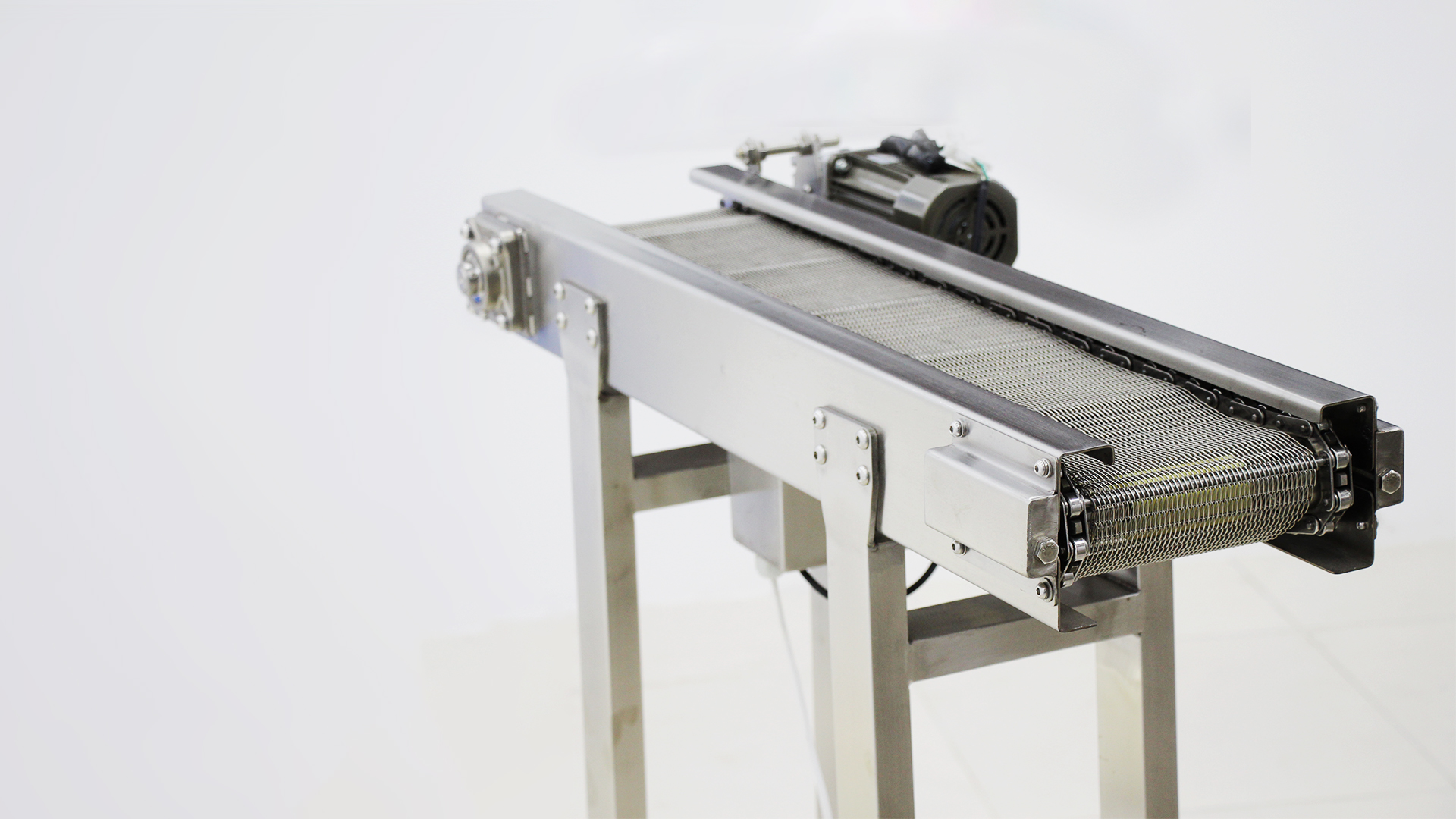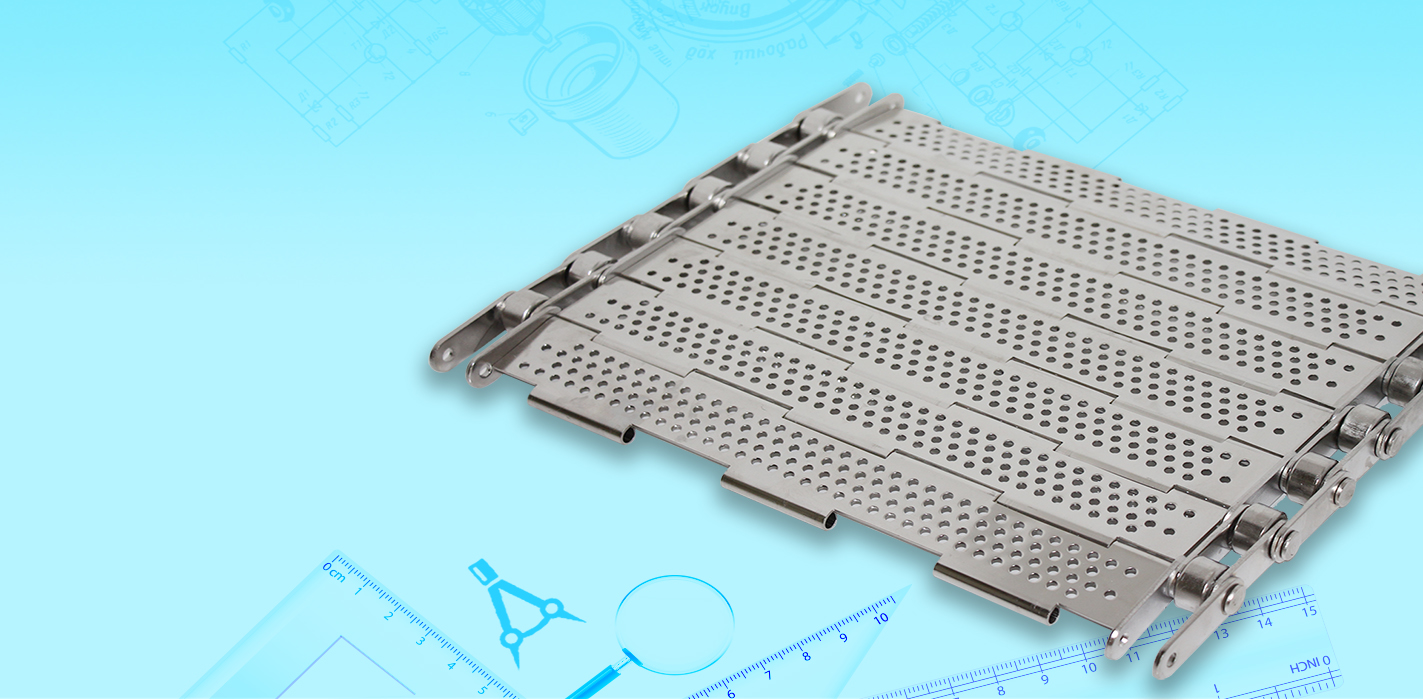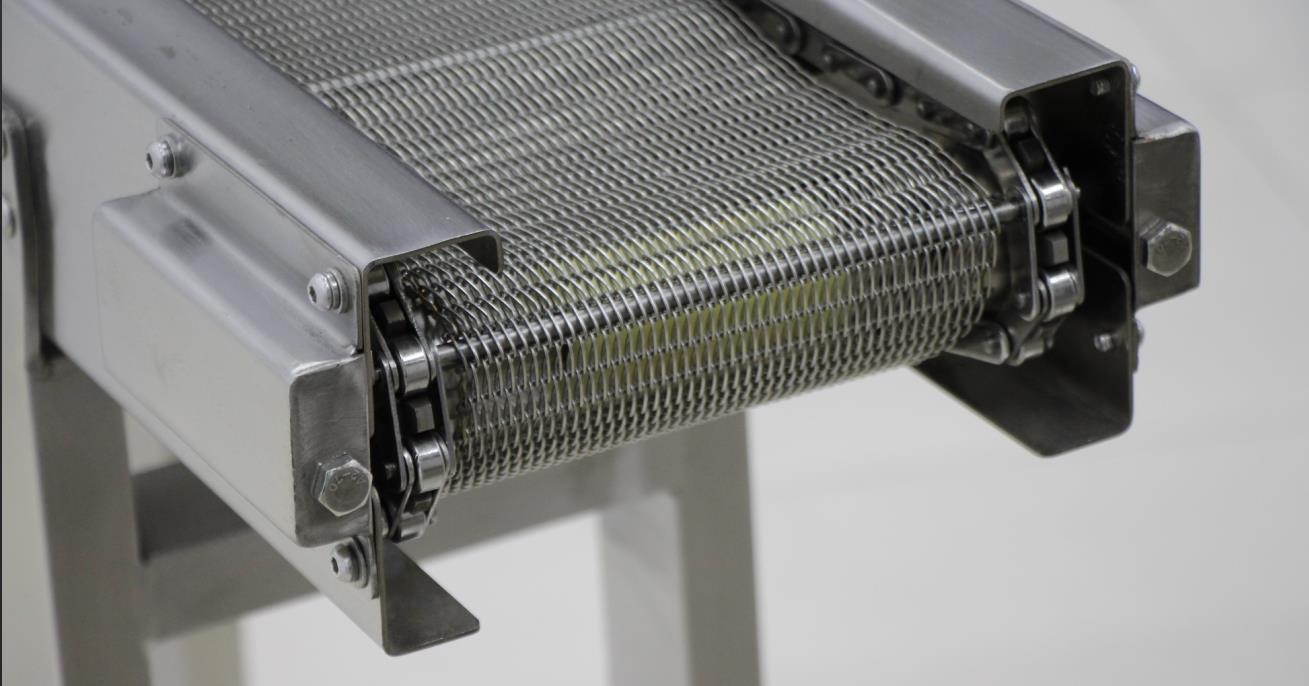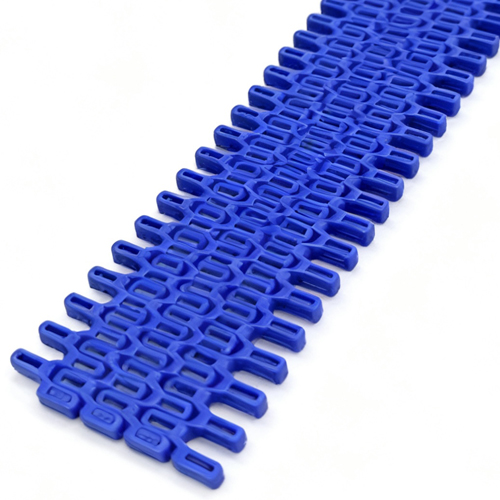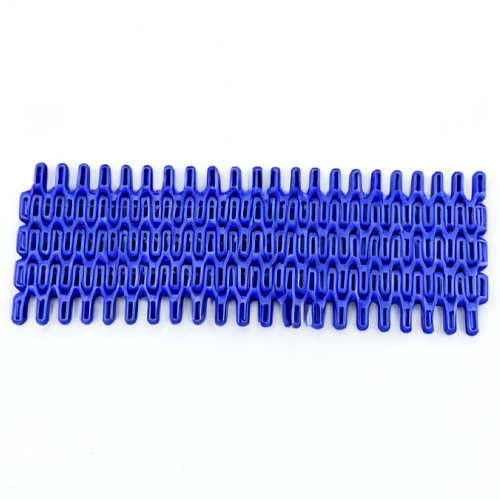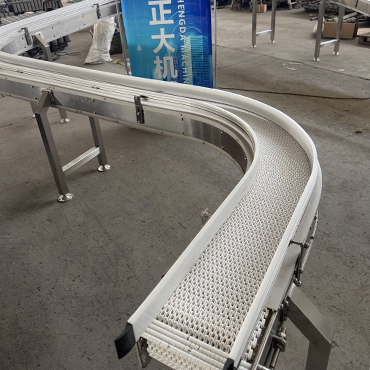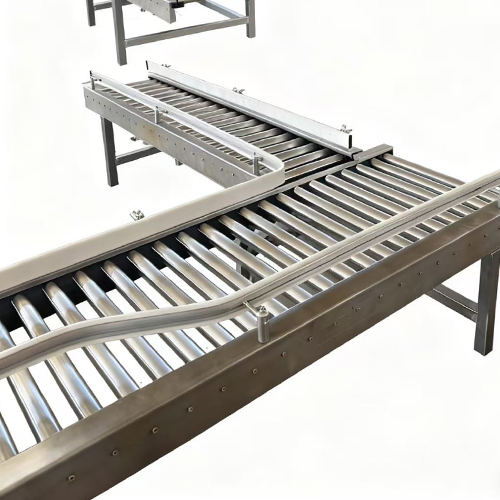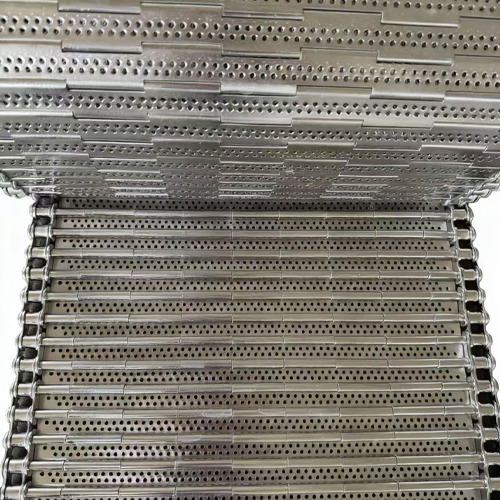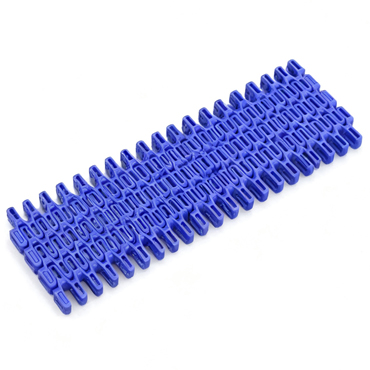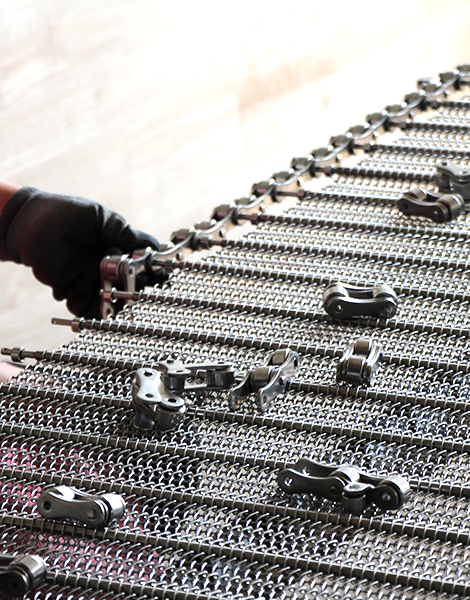


The flexibility of flexible chain conveyors is manifested primarily in the following ways: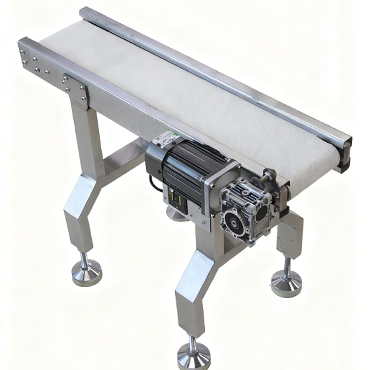
1) Flexible chain structure: The chains are typically made of special materials with flexible connections between links. This allows the conveyor to adapt easily to complex conveying paths and transport materials smoothly through straight sections, turns, inclines, declines, and other angular changes. This flexibility far surpasses that of traditional rigid conveyors.
Flexible Conveying Methods: Conveying speed and spacing can be adjusted according to different production requirements and site layouts. This allows for material supply under varying production rhythms, adaptation to workshops of different sizes and shapes, and integration with other equipment for diversified assembly line operations.
Material Handling Flexibility: It gently and stably conveys materials of various shapes and weights. Irregular shapes and uneven weight distribution do not cause conveying difficulties. This ensures material integrity and stability during transport while minimizing the risk of damage.
Translated with DeepL.com (free version).