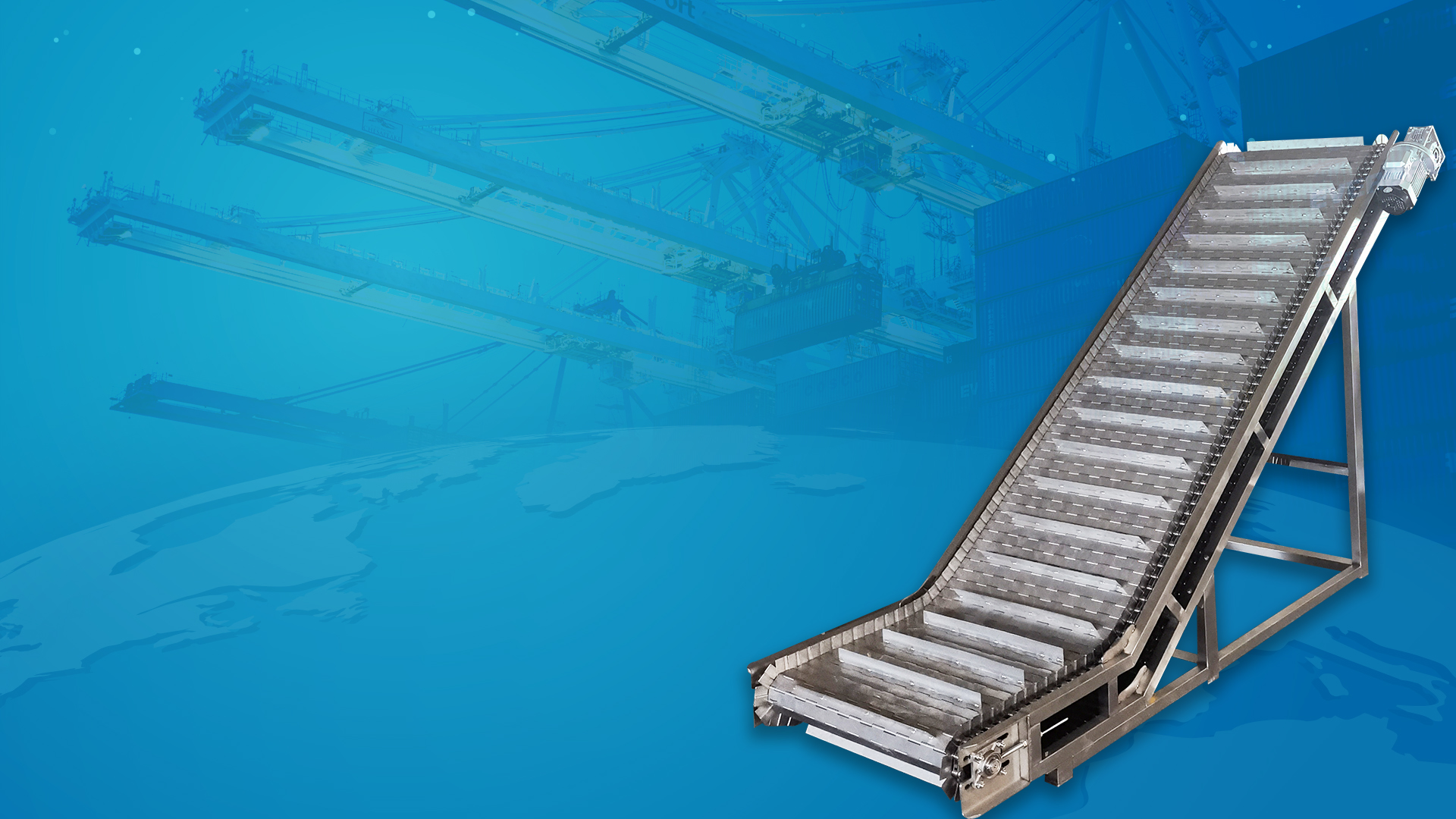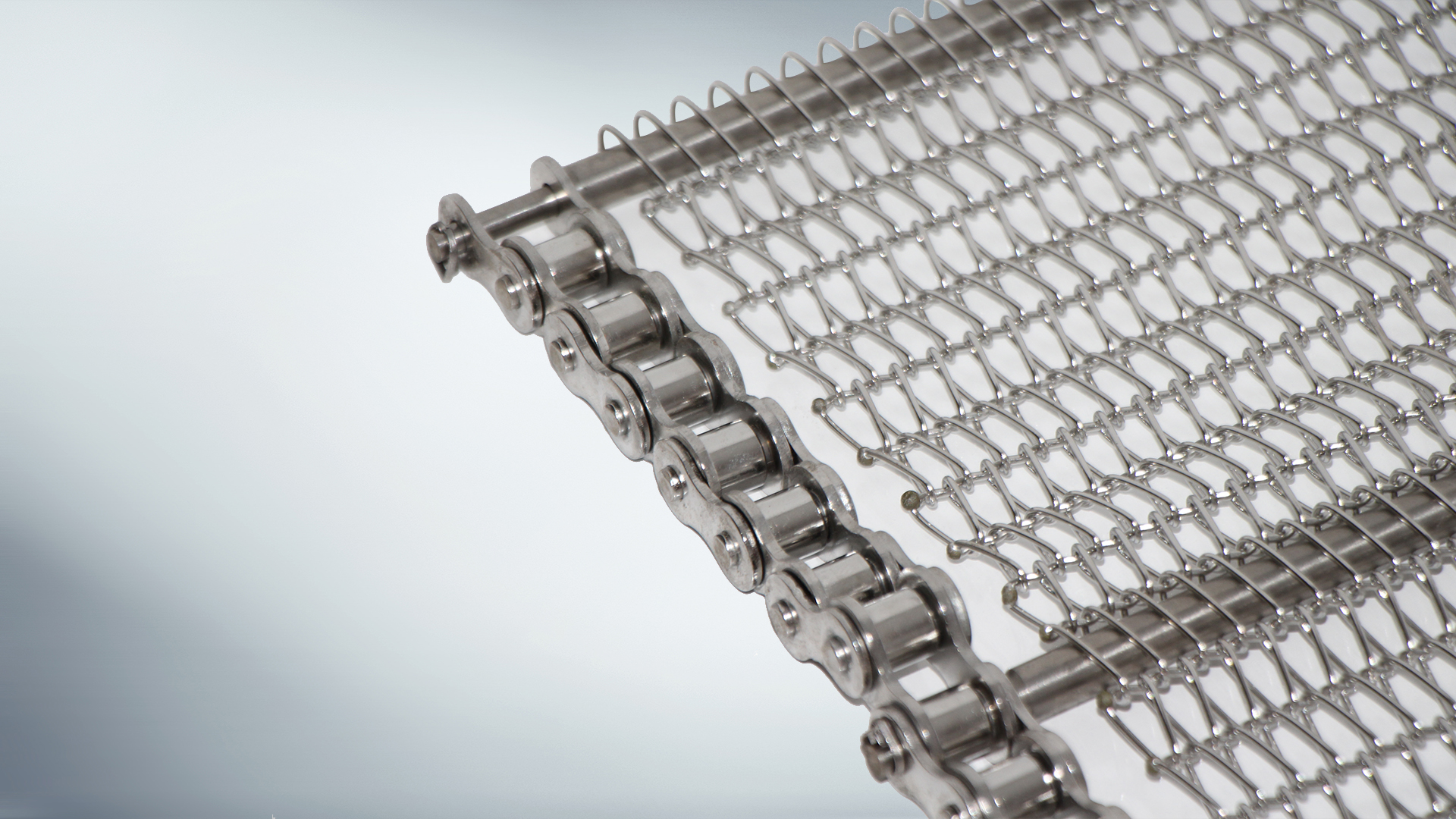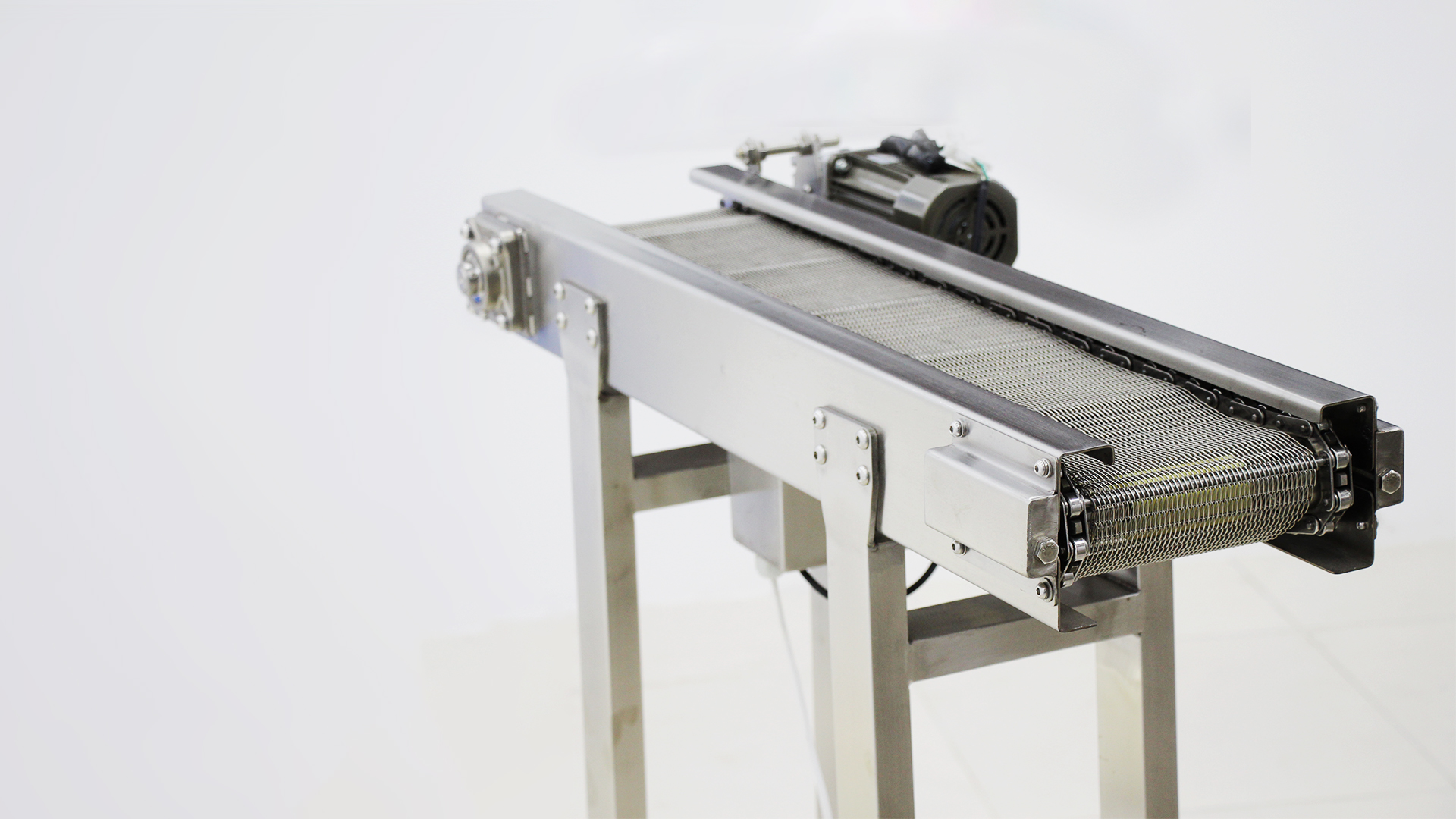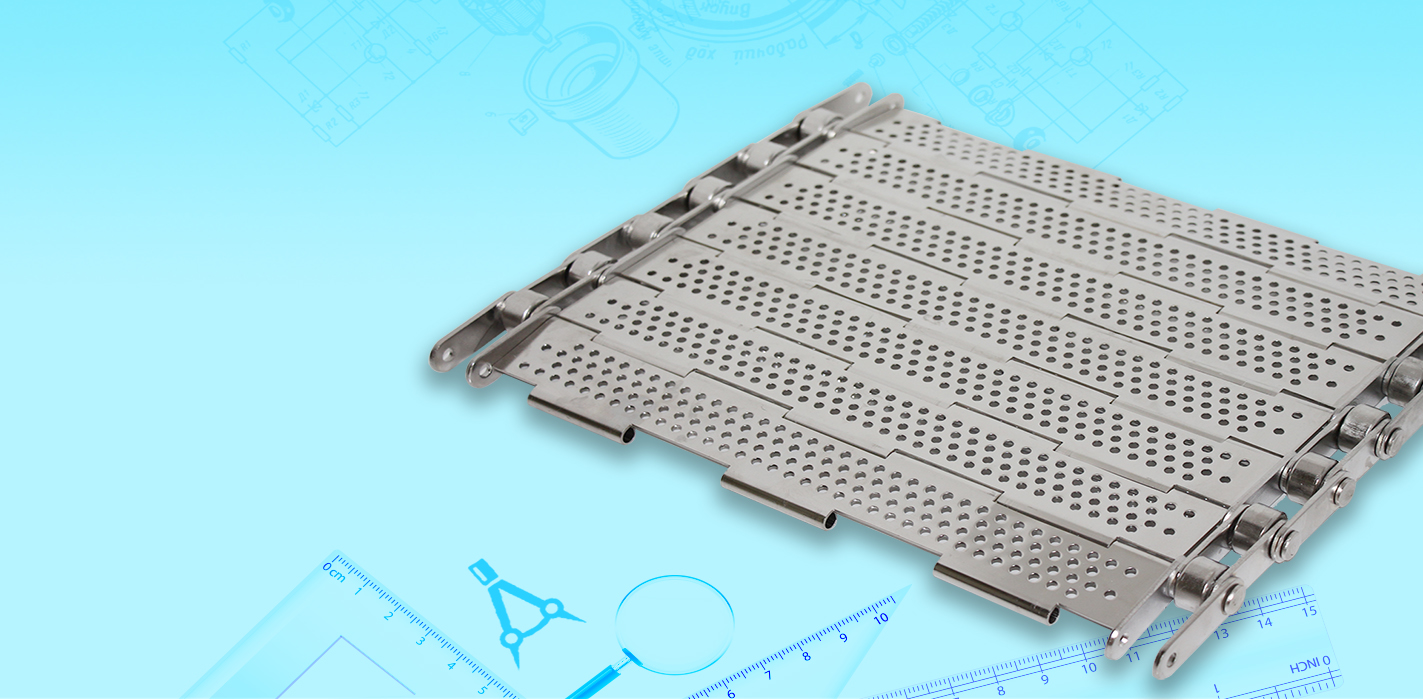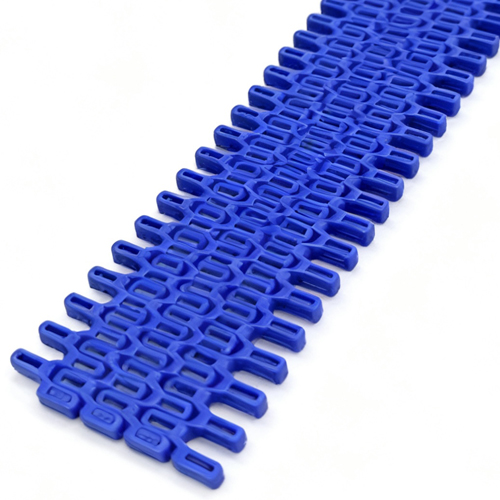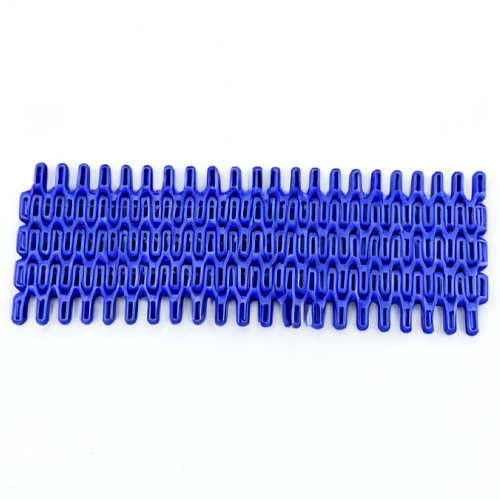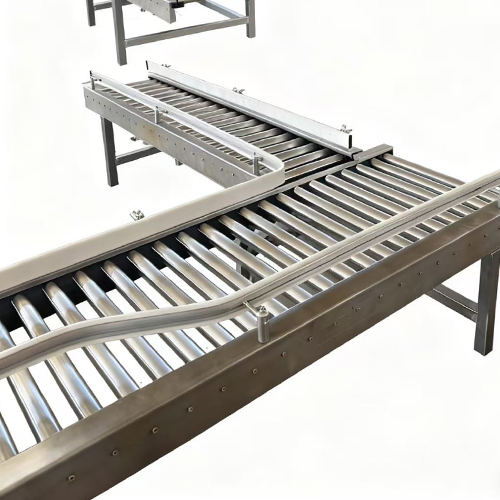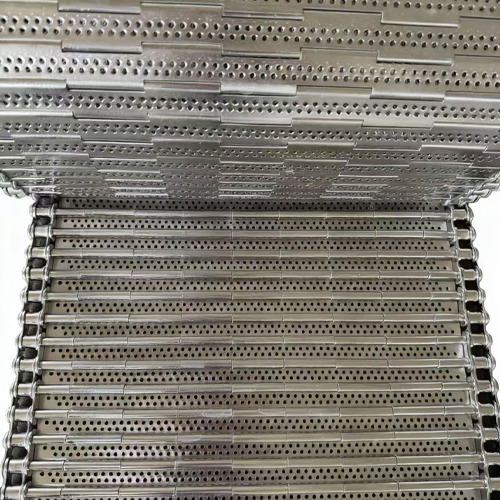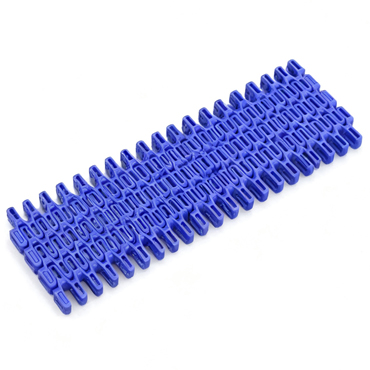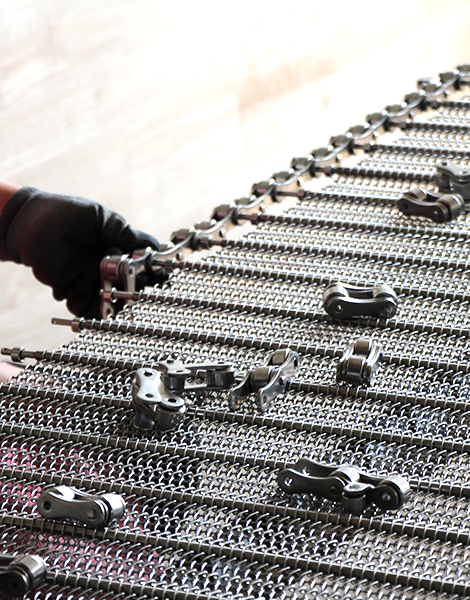


Flexible chain conveyors are lightweight, modular three-dimensional conveying systems. Their modular design allows for versatile configurations, supporting horizontal, inclined, vertical, and curved conveying paths. They can be used to build three-dimensional conveying networks and are widely employed in production lines with high hygiene standards, limited floor space, and a high degree of automation. Their benefits are specifically reflected in the following aspects: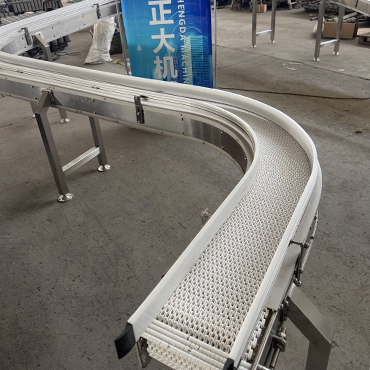
- Improved Production Efficiency
Automated Conveying: Flexible chain conveyors operate automatically and smoothly, enabling continuous material transport, reducing manual labor, and boosting production efficiency. Versatile Configuration: Through modular design, flexible chain conveyors can be flexibly configured to create horizontal, inclined, vertical, or curved conveying paths according to site requirements, meeting the needs of various production processes. High-Speed, Stable Conveying: Flexible chain conveyors offer high-quality, high-speed, and stable conveying capabilities with minimal maintenance and low operating costs, contributing to improved overall production efficiency.
II. Adaptability to Various Production Environments
High Hygiene Standards: Flexible chain conveyors feature aluminum alloy frames and plastic-steel conveyor chains with smooth, easy-to-clean surfaces that comply with GMP/FDA food-grade standards. They are widely used in industries with strict hygiene requirements, such as pharmaceutical manufacturing and food and beverage production. Compact Footprint: With a small turning radius, flexible chain conveyors can be flexibly arranged in confined spaces, saving valuable floor area. High Degree of Automation: Flexible chain conveyors can be equipped with various conveying functions such as merging and diverging, and can be fitted with electric, pneumatic, or intelligent control devices to form diverse production lines, meeting the demands of highly automated, specialized production.
III. Diverse Conveying Capabilities
Multiple Conveying Methods: Flexible chain conveyors can be configured for carrying, pushing, hanging, or clamping, accommodating the conveying needs of various materials. Convergence, Divergence, Sorting, and Merging: Flexible chain conveyors can be configured to perform convergence, divergence, sorting, and merging functions, enabling flexible material allocation and efficient processing. Adaptability to Different Packaging Formats: Flexible chain conveyors support the transport of various packaging formats, including bottles, pallets, paper boxes, cartons, and eco-friendly PVC bags, meeting the packaging requirements of different products.
IV. Reduced Maintenance Costs and Operating Noise
Low maintenance costs: Flexible chain conveyors feature a simple structure that is easy to maintain, consume minimal energy, and have low operating costs. Their lubrication-free design reduces component wear and replacement frequency, further lowering maintenance costs.
Low operating noise: Flexible chain conveyors produce minimal noise during operation, making them suitable for environments requiring quiet working conditions and helping to improve the work environment.