

Analysis of Chain Plate Materials for Plastic Chain Conveyors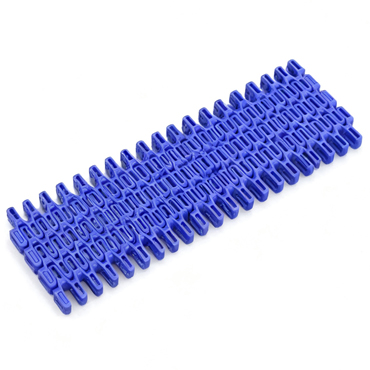
Plastic chain conveyors utilize a variety of chain plate materials to meet the demands of different operating conditions.
Common materials include engineering plastics, such as polyoxymethylene (POM). POM offers high strength and rigidity, along with excellent wear resistance. It can handle the conveyance of relatively heavy materials to a certain extent and is resistant to deformation. Its smooth surface prevents material adhesion, making it easy to clean and maintain, and suitable for conveying various types of blocky and granular materials.
There are also chain plates made of polyethylene (PE). PE chain plates offer good flexibility, allowing them to adapt to more complex conveying routes and minimize damage to materials during transport. Additionally, they possess high chemical stability and strong corrosion resistance, enabling them to operate reliably in a wide range of environments.
Furthermore, polypropylene (PP) is also a commonly used material. PP chain plates are lightweight, relatively low-cost, and offer good water resistance and electrical insulation. They perform exceptionally well in conveying applications within the food and pharmaceutical industries and comply with relevant hygiene standards.
Different materials for chain plates each have their own advantages. Users should comprehensively consider factors such as actual conveying requirements, material characteristics, and operating environments to select the appropriate chain plate material, ensuring the efficient and stable operation of the plastic chain conveyor.
Translated with DeepL.com (free version)