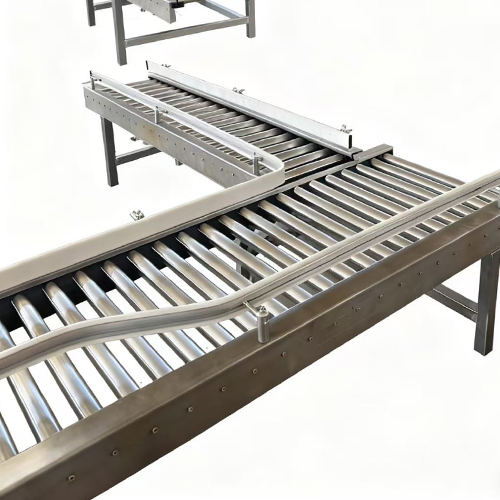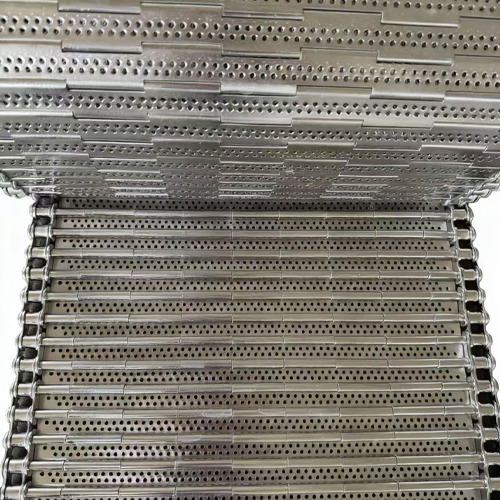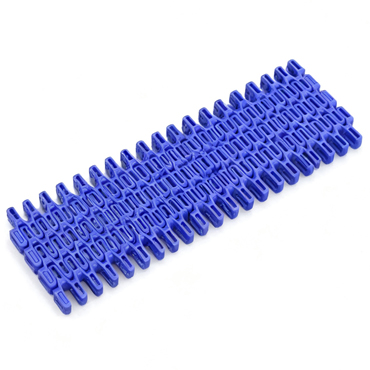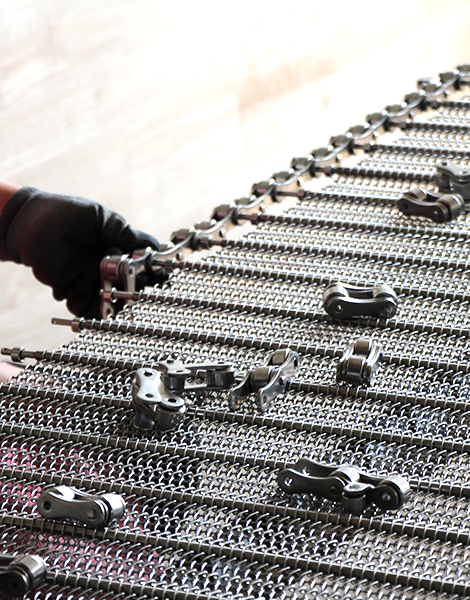


The surface materials used for roller conveyors vary widely, with the following being the most common: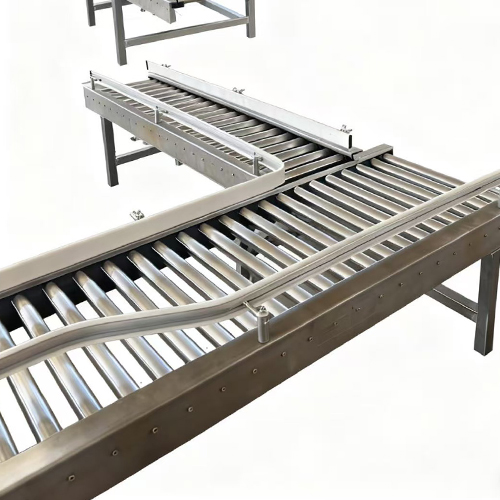
Carbon steel is the most widely used material. It is relatively inexpensive and offers sufficient strength and wear resistance to meet general conveying requirements. Its surface can be treated with galvanisation or other methods to enhance rust resistance.
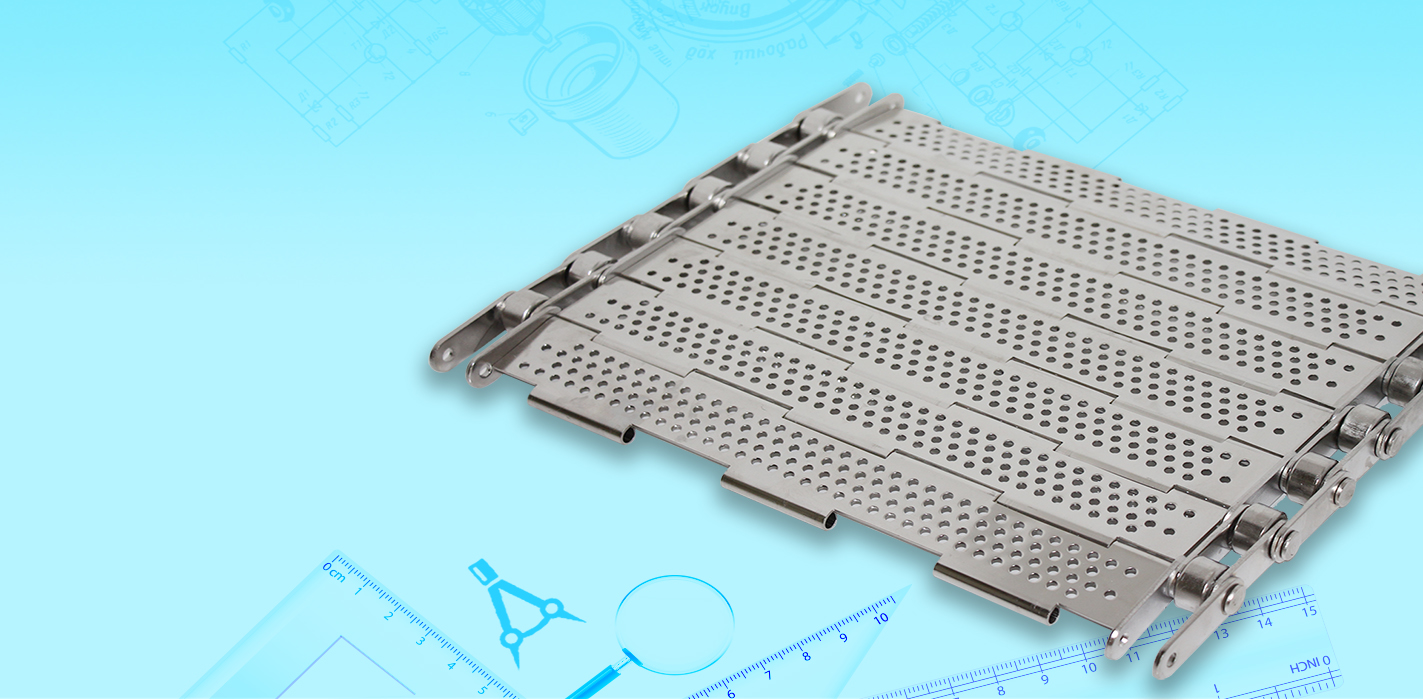
Stainless steel offers excellent corrosion resistance and is ideal for conveying specialised materials, such as food and chemicals. It ensures that materials remain uncontaminated and has an aesthetically pleasing appearance.
Polyurethane is often used in applications where the coefficient of friction is a specific requirement. It is highly elastic and resistant to wear, which effectively reduces friction between the material and the rollers, minimises material damage and provides a certain degree of cushioning.
Ceramic rollers have a hard surface and exceptional wear resistance, making them ideal for harsh operating environments. They are particularly well-suited to conveying hard, highly abrasive materials.
Each material has its own advantages and disadvantages. When selecting a roller surface material, it is essential to consider factors such as the characteristics of the material being conveyed, the operating environment and cost, in order to ensure that the roller conveyor operates efficiently and reliably, meeting actual production needs.
Translated with DeepL.com (free version).