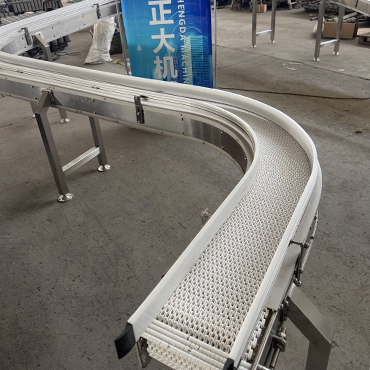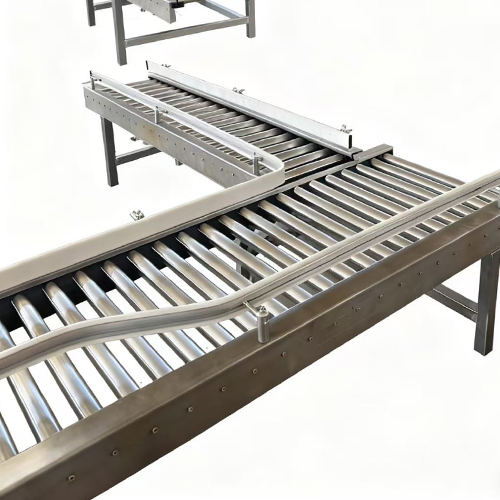


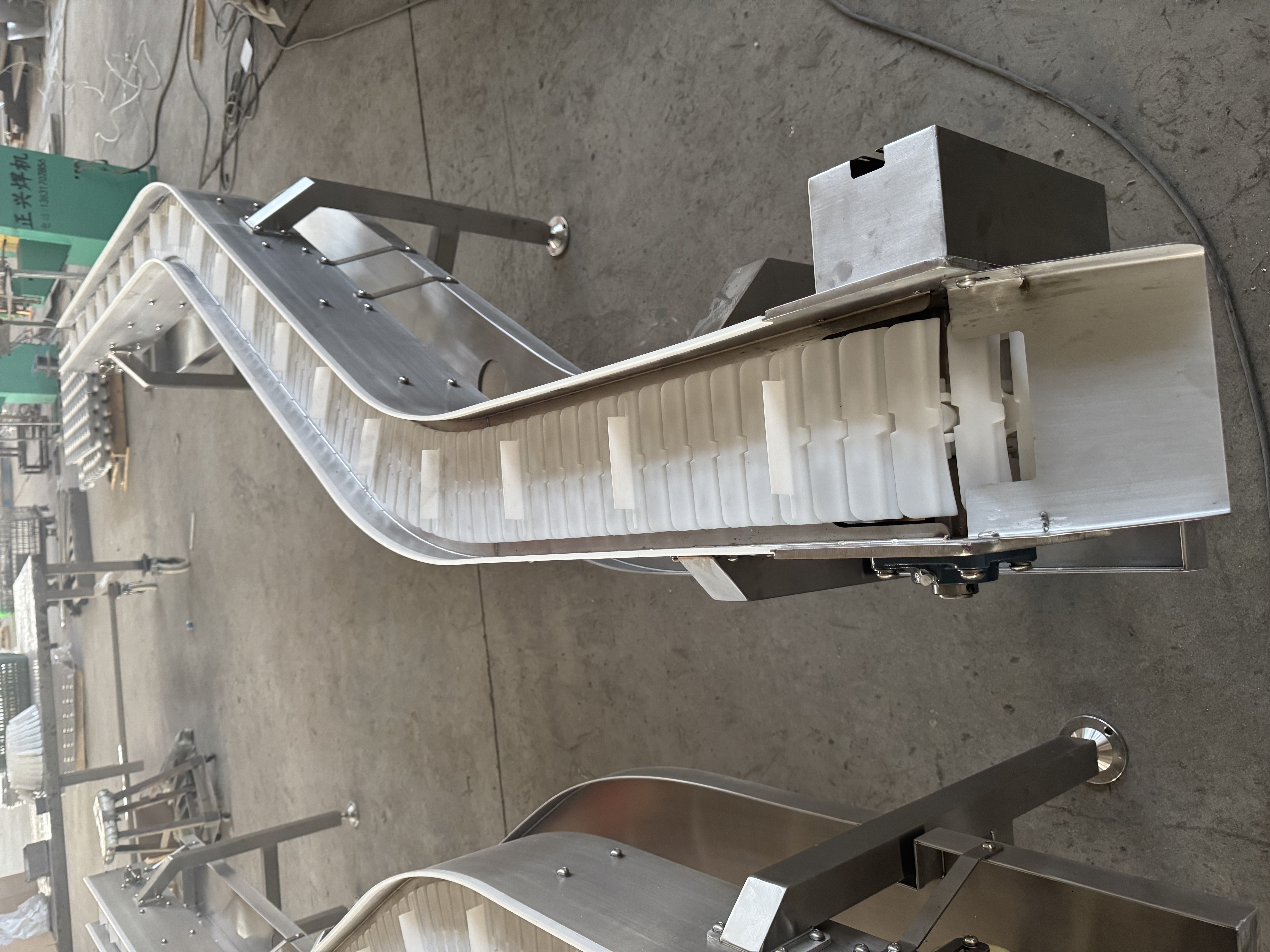
There are two types of conveying methods for assembly production lines: synchronous (forced type) and asynchronous (flexible type). Depending on the selected configuration, either manual or semi-automatic assembly can be achieved. Production lines are essential for batch production in enterprises.The most common config
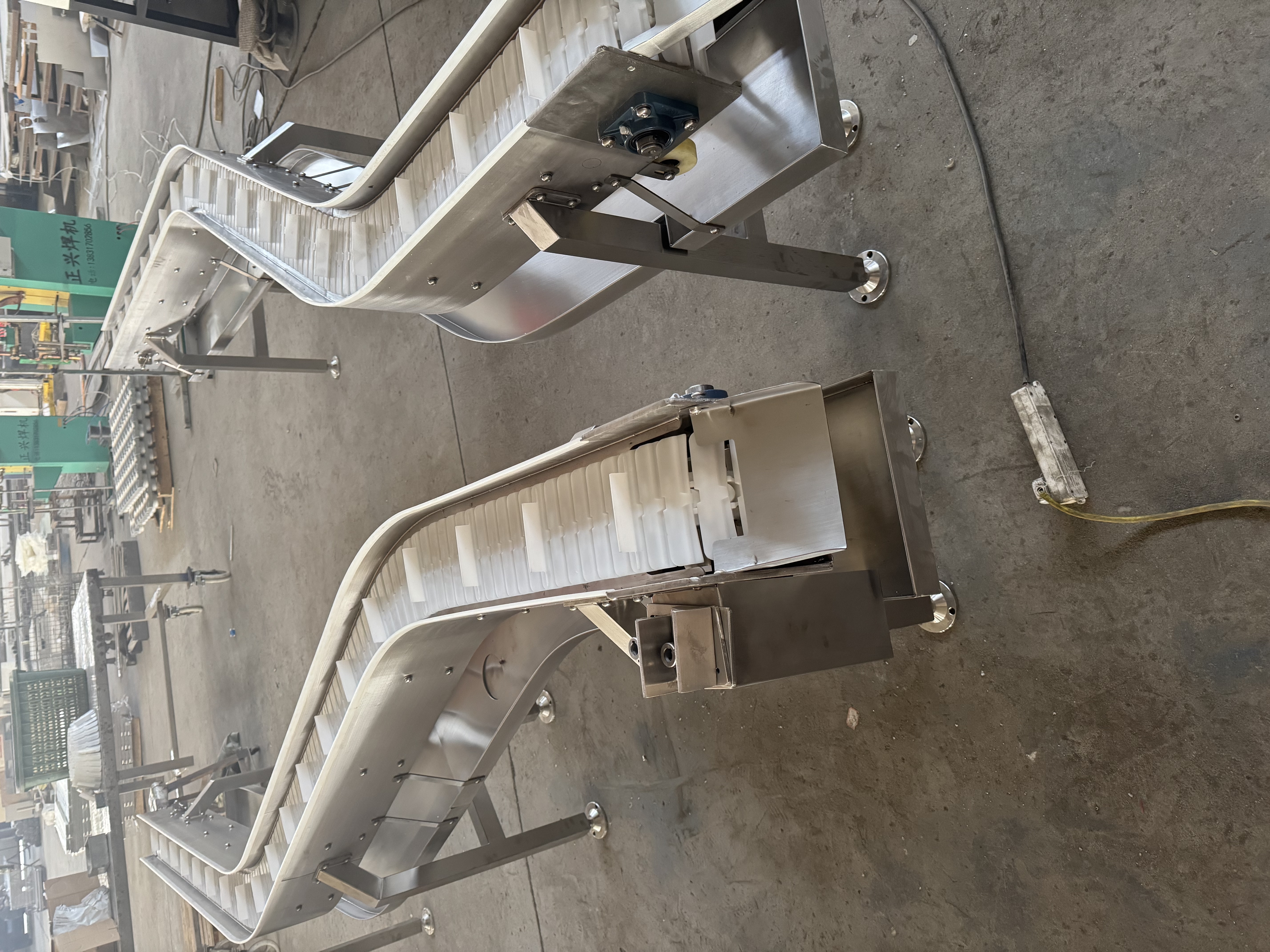
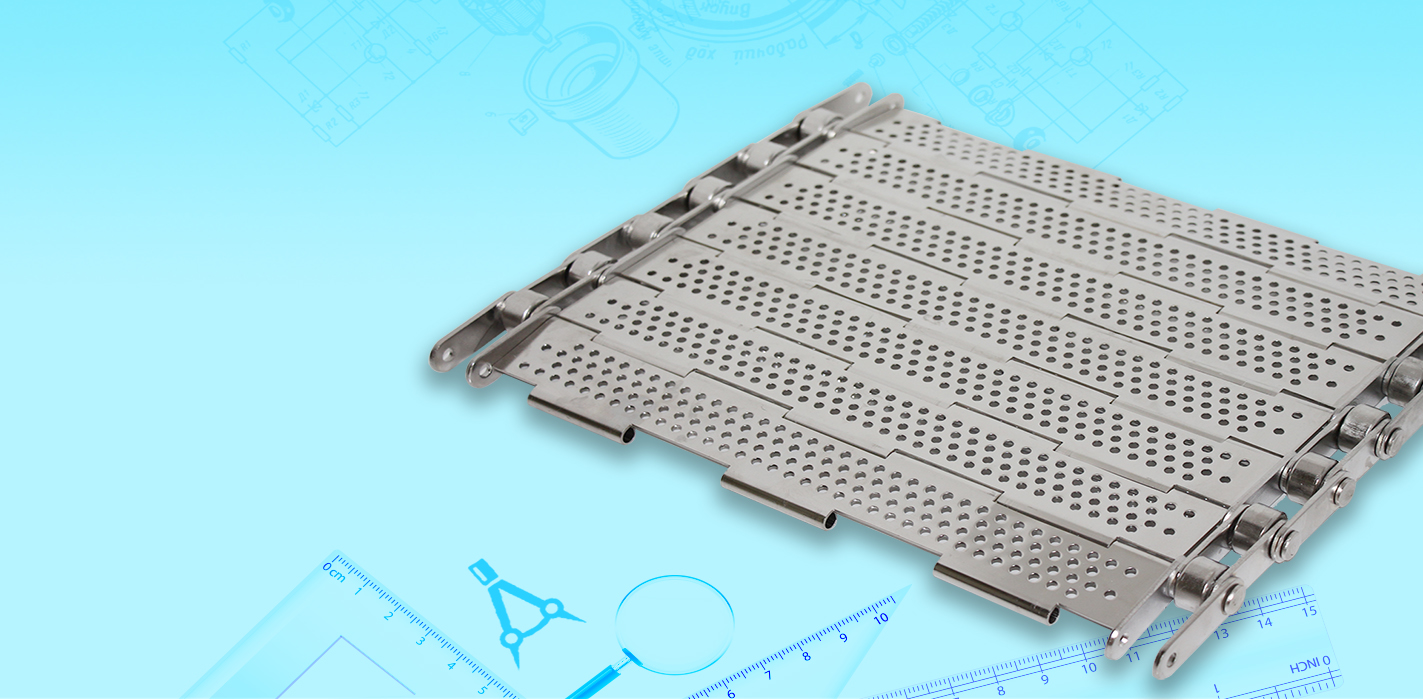
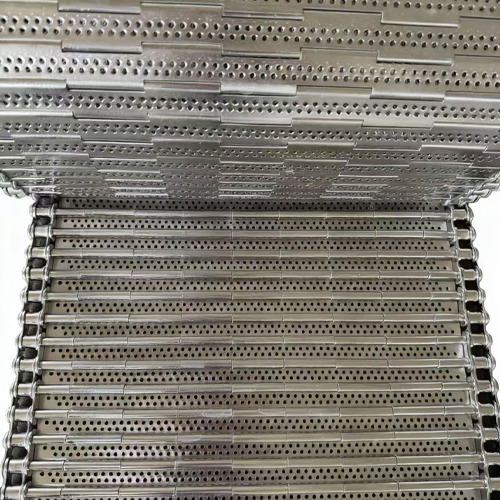
Description of the Functions and Characteristics of Chain Plate Conveyors
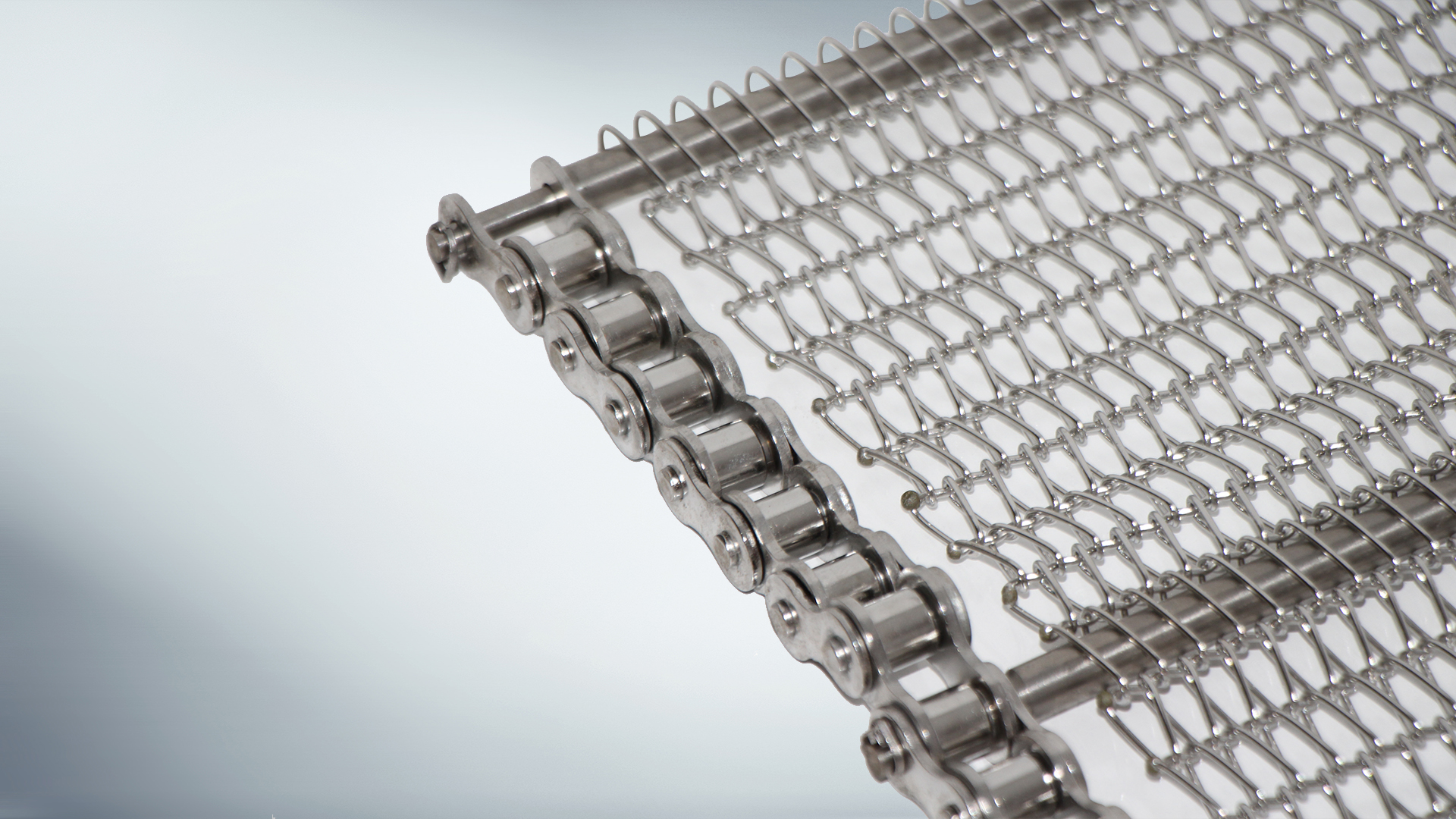
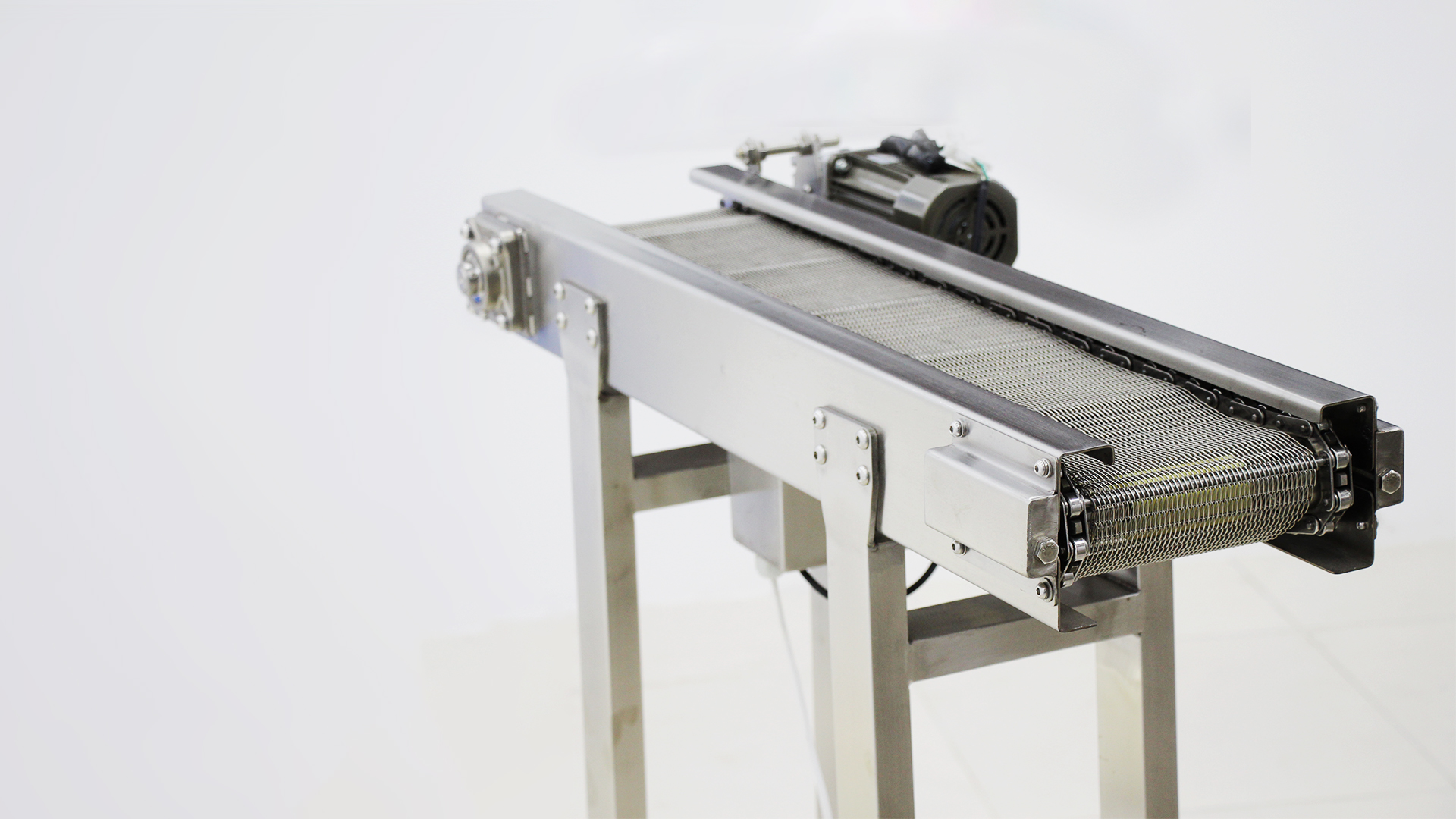
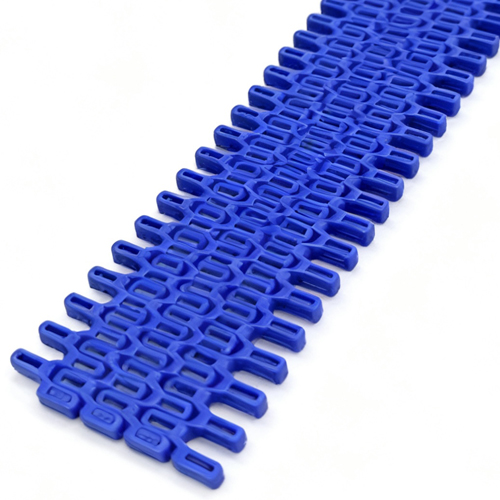
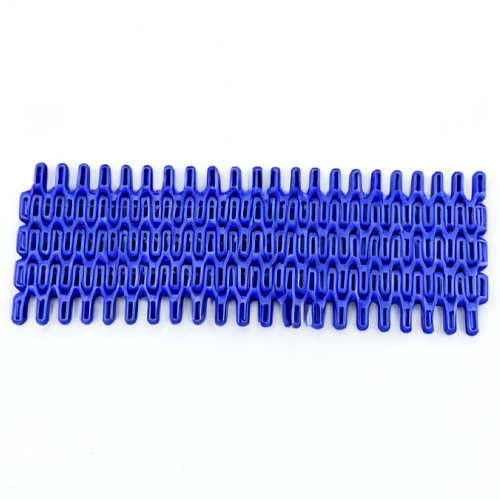
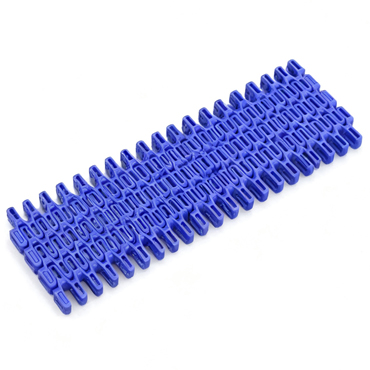
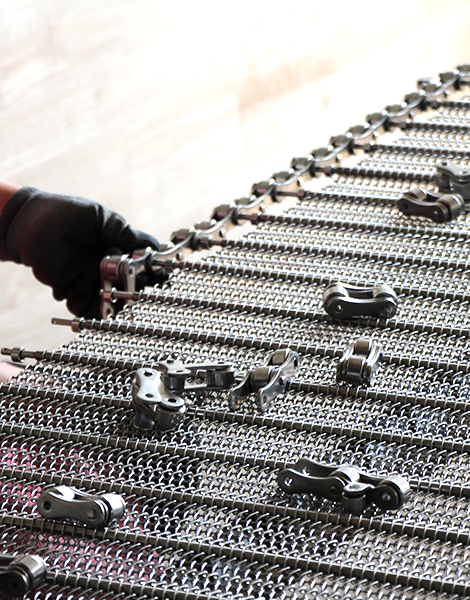
We connect the heads of two chain conveyor belts to form a mixed chain, which keeps conveyed items in a dynamic transition state. This prevents congestion of bottles on the conveyor line and allows for the pressure-free transportation of both empty and filled bottles.Features of Chain Conveyor BeltsHigh conveying capac
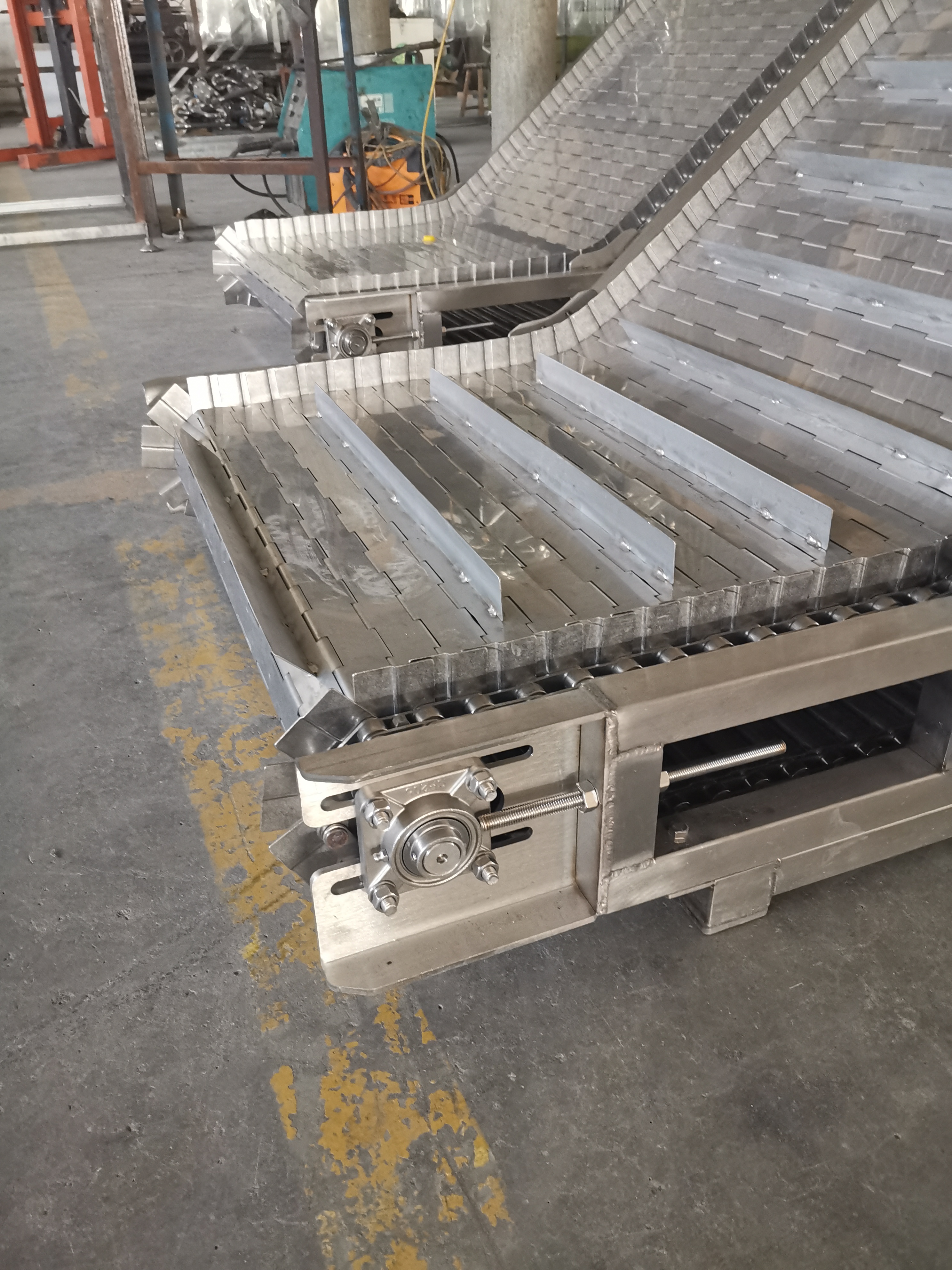
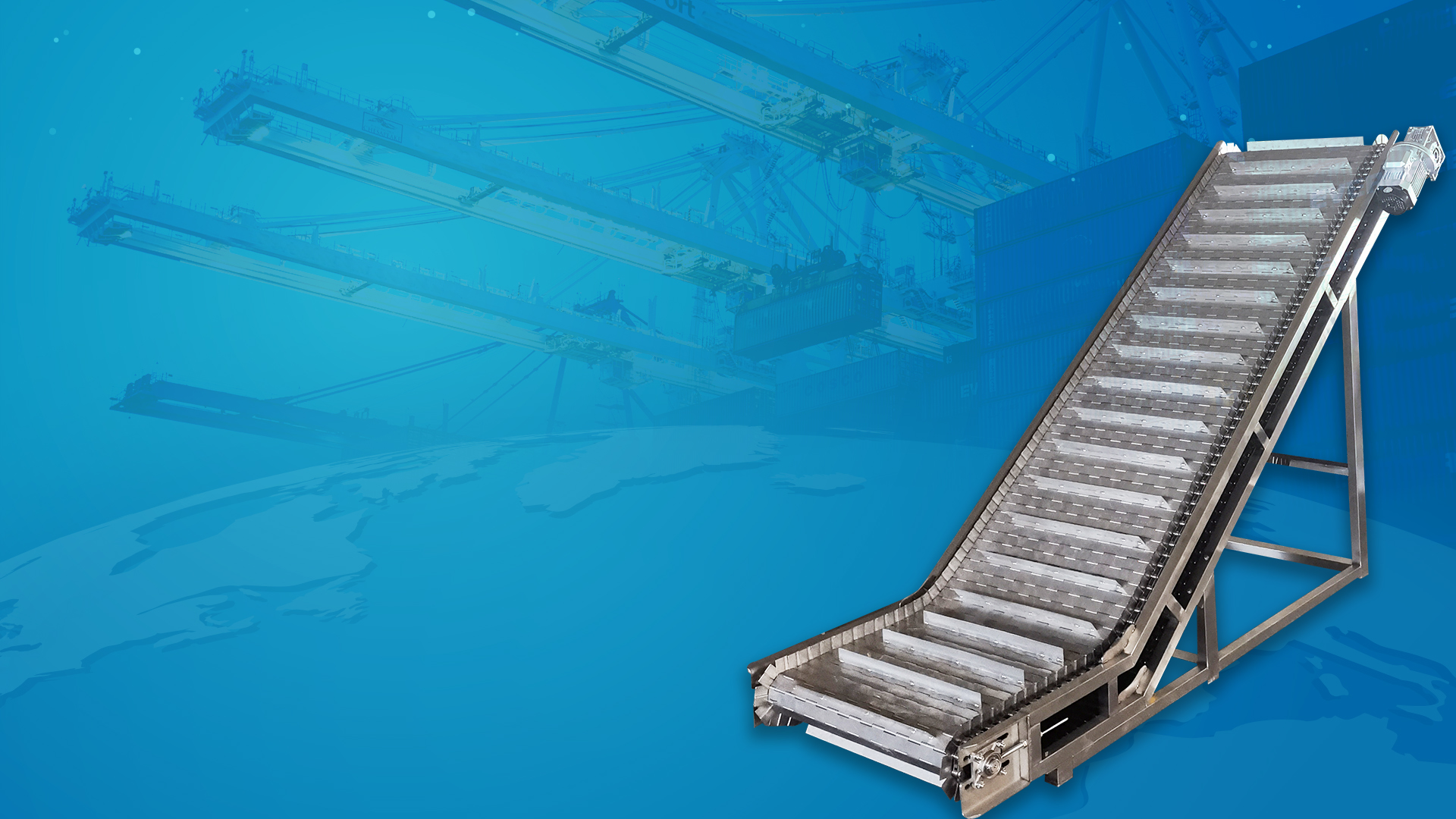
What are the features and advantages of chain plate elevators?
High load-bearing capacity:The chains and chain plates of the chain plate elevator are made of high-strength materials. This provides a strong load-bearing capacity and the ability to withstand heavy weights. This makes it ideal for transporting various heavy materials.Wide adaptability:The elevator can transport vario
Keywords:
none
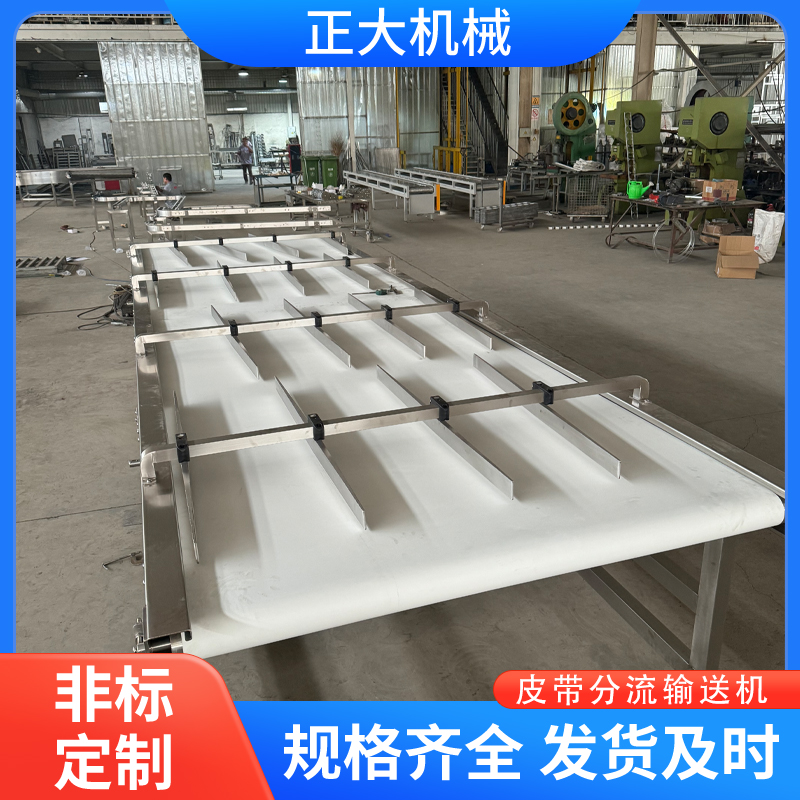
Application areas of belt conveyors
Manufacturing: In manufacturing, a belt conveyor assembly line is essential for continuous, automated production. It can be used to efficiently transport materials, assemble products, and perform inspections in automobile manufacturing, electronics production, food processing, and furniture manufacturing. This improves
Keywords:
none

Do you know what the application areas of belt conveyors are?
Agriculture and Food Processing Industry: Belt conveyor assembly line automation is a crucial piece of equipment for achieving automation and continuous processing in agricultural and food processing operations. For instance, in grain, fruit, and vegetable processing, as well as meat processing, belt conveyor assembly
Keywords:
none
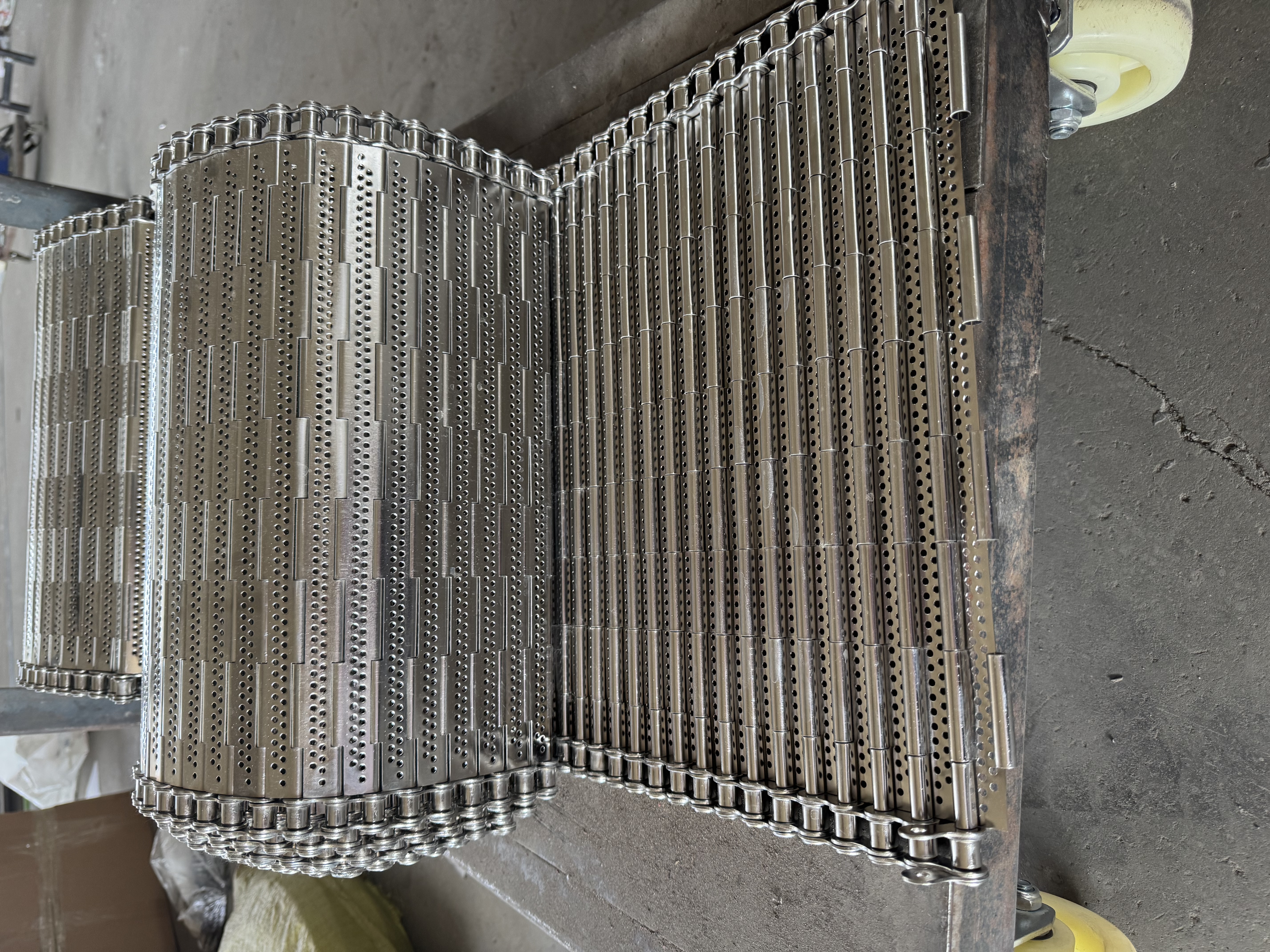
What are the types of chain plates?
Chain plates can be designed and manufactured according to specific requirements and specifications. Common chain plate specifications include 31.75, 38.1, and 50.8. Compared to other types of transmission belts, chain plates have relatively higher production costs.They are widely used in industries such as food, canne
Keywords:
none
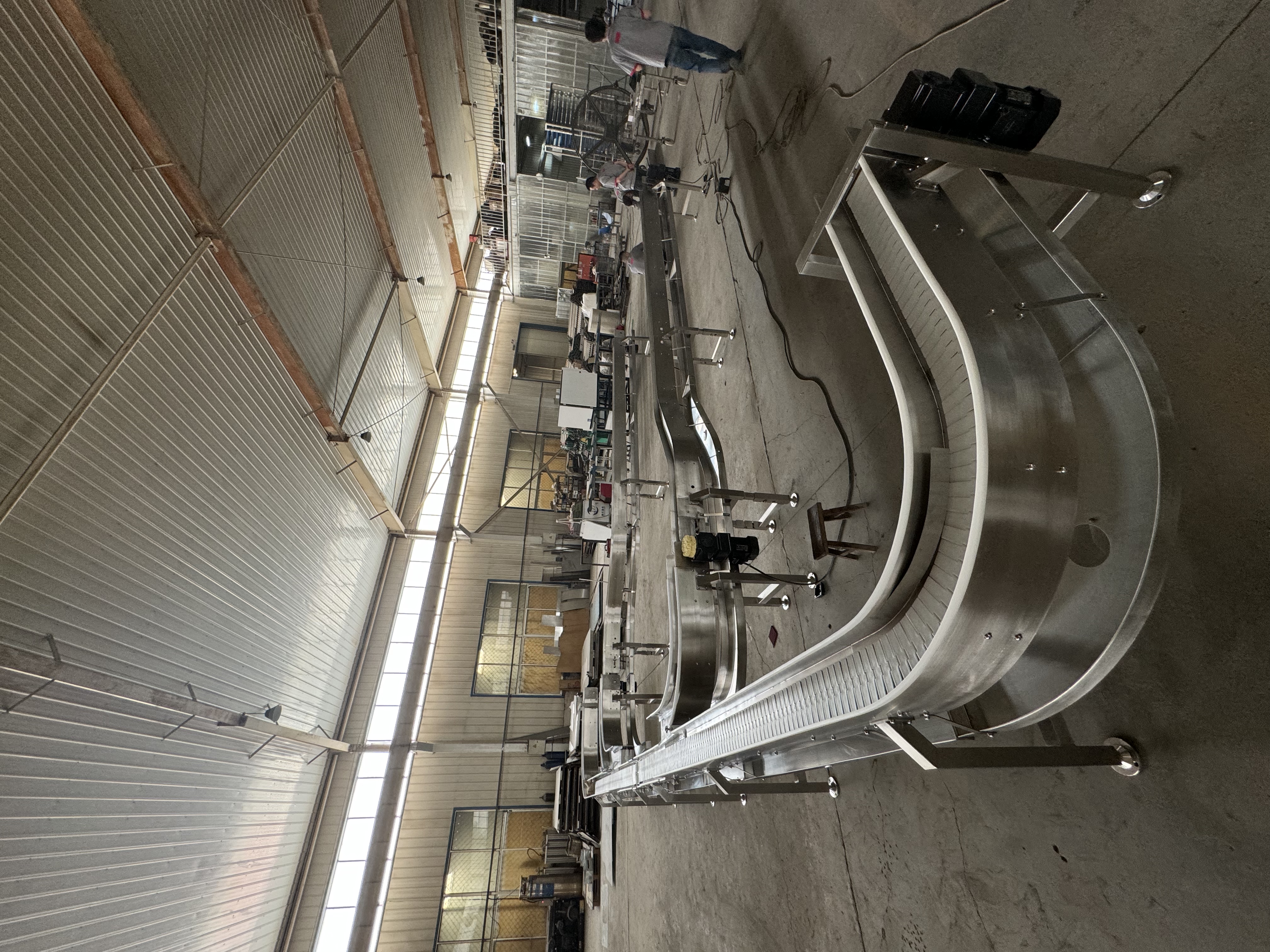
What are the uses of conveyor belts?
Integration with Production Processes: Conveyor belts can be incorporated into various industrial enterprises' production processes to create rhythmic assembly line transportation systems, thereby enhancing production efficiency and automation levels.Wide-ranging industry applications: Conveyor belts are used in many i
Keywords:
none
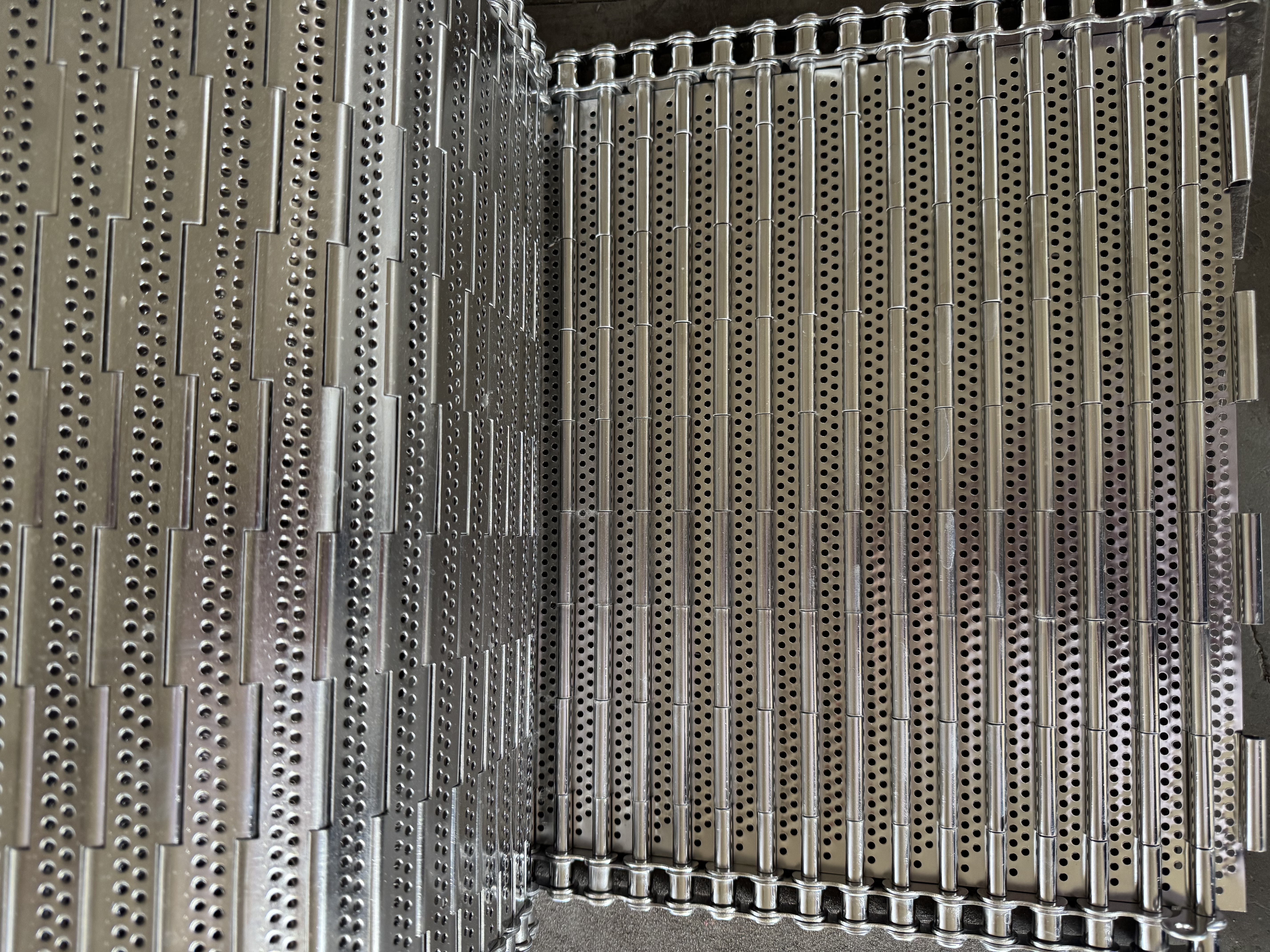
What are the advantages of chain plates?
High Strength: The chain plates are stronger than standard materials and can withstand heavy loads and impact forces, ensuring stability during the conveying process.Good hardness: The chain plates are highly resistant to wear and friction, which extends their service life and reduces maintenance and replacement costs.
Keywords:
none
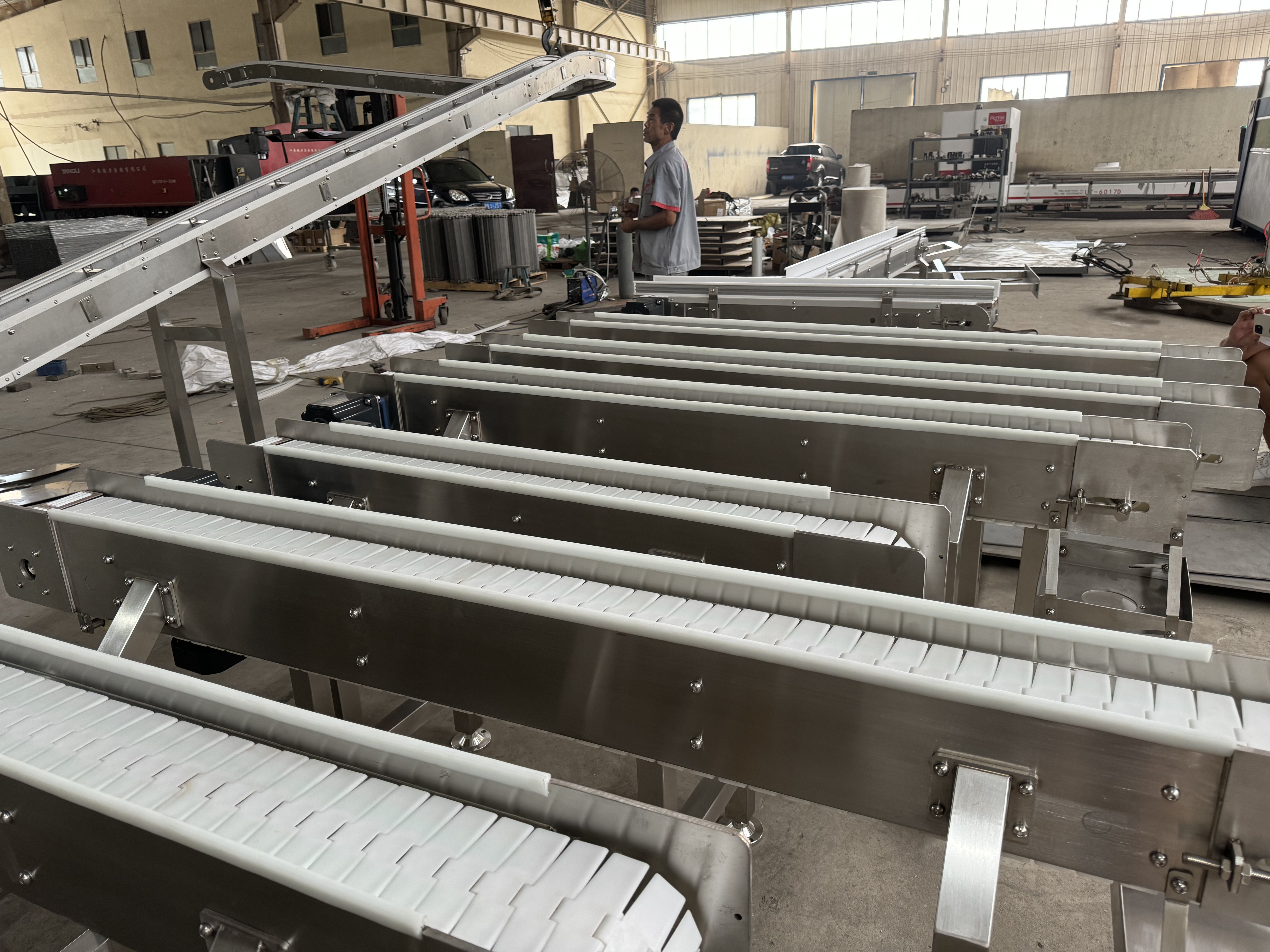
Essential assembly lines for factories
Easy to manage: The structure of the assembly line makes the production process more transparent and controllable.The assembly line is an indispensable part of factory production. By breaking down the production process into multiple steps, each worker or workstation focuses on completing specific tasks, thereby improv
Keywords:
none

ZD machinery
Dezhou Zhengda Machinery and Equipment Manufacturing Co., LTD., founded in 2006, is a professional production company specializing in the development and manufacture of all kinds of food machinery and conveyor, advanced product quality, sophisticated technology, is an ideal choice for all kinds of food factories. Our company obtained ISO9001 quality management system certification in 2011. The company's products are divided into 6 categories and more than 200 varieties.